Compare Local Contractors for Lawn Curbing Installation Projects
Compare local contractors for lawn curbing installation to clarify scope, verify experience, and establish clear expectations for a successful project.
Lawn curbing installation typically involves creating defined borders around garden beds, lawns, or walkways to enhance the landscape's appearance and functionality. This work often includes selecting appropriate materials such as concrete, stone, or brick, and shaping the edging to complement the property's overall design. Proper installation can help prevent soil erosion, contain mulch or gravel, and create a clean, polished look for outdoor spaces. Understanding the scope of the project-whether it involves simple edging or more elaborate designs-helps property owners communicate their needs clearly to contractors and ensures the work aligns with their landscaping goals.
Defining the scope of a lawn curbing project is an essential step in working with local contractors. Clear communication about the desired materials, design preferences, and specific areas to be edged helps prevent misunderstandings and sets realistic expectations. Property owners should consider factors such as the size of the area, the complexity of the design, and any additional features like decorative accents or integrated lighting. Documenting these details in writing creates a reference point for both parties, reducing the potential for disputes and ensuring the completed work meets the original intentions.
When comparing local contractors for lawn curbing installation, it’s important to evaluate their experience and the quality of their previous work. Property owners can ask for examples of completed projects similar to their own, review any available references, or seek insights from neighbors or community groups. Additionally, understanding how contractors approach the planning process, communicate project scope, and handle unexpected challenges provides valuable insight into their professionalism. This careful comparison helps property owners identify service providers who are well-equipped to deliver the desired outcome and ensure the project proceeds smoothly.
Compare local contractors by outlining your project priorities, verifying experience, and setting clear expectations in writing.
- Compare Contractor Experience - Review the background and project history of local contractors to ensure they have relevant experience.
- Define Project Scope Clearly - Establish detailed expectations and specific requirements before work begins.
- Verify Credentials and References - Check references and verify the reputation of service providers to confirm reliability.
- Document Agreements in Writing - Ensure all project details, responsibilities, and expectations are documented for clarity.
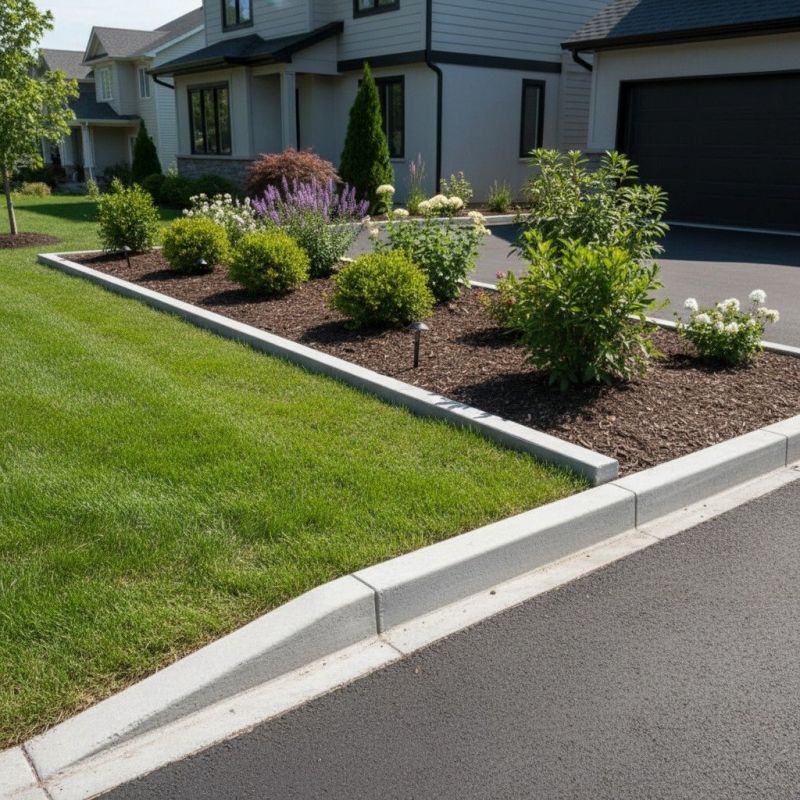
Clearly describing your lawn curbing project helps you compare local contractors, define scope, and set expectations effectively.
- Verify the contractor’s experience with lawn curbing installation to ensure familiarity with the project scope. - Confirm that the service provider clearly defines the scope of work in writing before beginning the project.
- Compare multiple local contractors to assess their reputation and track record for quality curb installation. - Look for reviews or references that demonstrate consistent performance and customer satisfaction.
- Ensure the contractor provides a detailed written estimate outlining materials, labor, and project specifics. - A comprehensive scope of work helps prevent misunderstandings and sets clear expectations.
- Ask about the types of materials and edging styles the contractor is experienced with to match your design preferences. - Confirm the service provider can handle your desired curb style and material choices.
- Check that the contractor is willing to discuss project details and answer questions to clarify the scope and process. - Open communication helps establish a shared understanding of the installation process.
- Confirm that the scope of work includes site preparation, installation, and cleanup to ensure a complete service. - Clarifying these details in writing helps prevent scope creep and surprises.
Compare local contractors’ experience and clarify project scope to ensure expectations are clearly set.



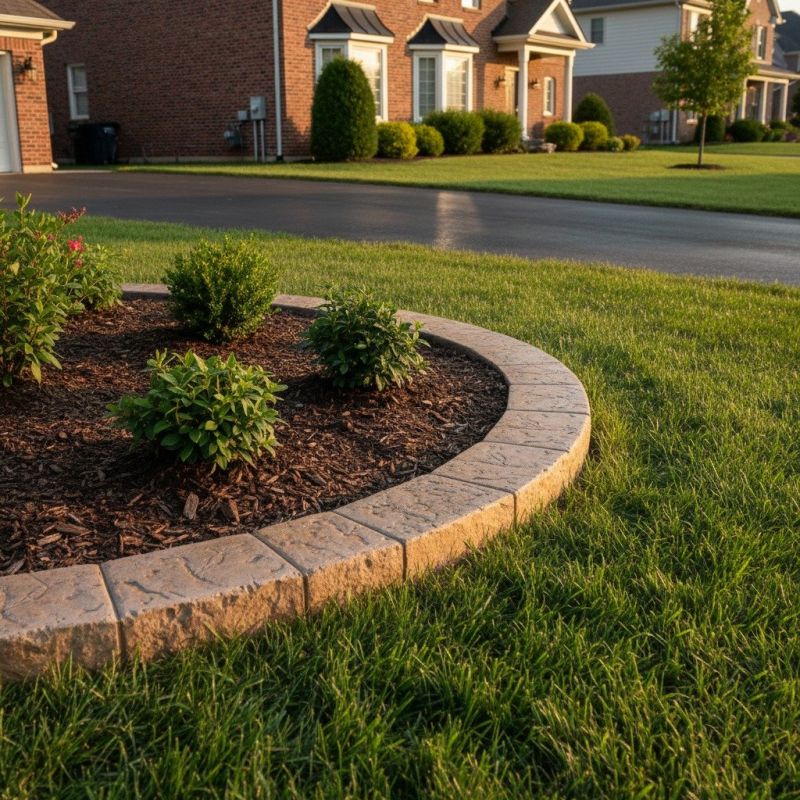
Use clear, consistent criteria to compare local contractors' scope, experience, and written expectations for curb installation.
- Define project scope - clearly outline the specific areas and materials involved in the lawn curbing installation.
- Verify experience - ensure service providers have relevant experience with lawn curbing projects of similar scope.
- Establish material preferences - specify the types of edging materials and finishes desired for the project.
- Set expectations in writing - document the agreed-upon scope, materials, and any other relevant details before work begins.
- Compare local contractors - evaluate multiple service providers based on their expertise, reputation, and scope of work to find suitable options.
When comparing contractors for lawn curbing installation, it is important to assess their experience with similar projects. Homeowners should inquire about the types of curbing jobs they have completed and the variety of materials they are familiar with. Contractors who have a history of working on projects comparable in scope and complexity are more likely to understand the nuances involved and deliver results that meet expectations. Gathering details about their previous work can help determine if their expertise aligns with the specific needs of the landscape.
A clear, written scope of work is essential to establish shared understanding and prevent misunderstandings. Homeowners should seek contractors who can provide a detailed description of what the project will include, such as the length, design, materials, and any preparatory work. Having this scope documented ensures that both parties are aligned on the project parameters and can serve as a reference throughout the process. Well-defined expectations in writing contribute to smoother communication and help ensure the final outcome matches the initial plans.
Verifying a contractor’s qualifications involves understanding their background and confirming their familiarity with the type of work required. Homeowners are encouraged to ask for references or examples of completed projects similar to their own. Confirming that a contractor has successfully handled comparable installations can provide confidence in their ability to meet project specifications. Checking the contractor’s reputation through reviews or testimonials can also offer insights into their reliability and workmanship quality.
Evaluating options without focusing on prices involves examining how each contractor approaches the project. Homeowners should compare the clarity of written scopes, the level of experience demonstrated, and the professionalism of communication. It’s helpful to consider how well each service provider understands the project’s requirements and whether they can articulate their process clearly. By focusing on these aspects, homeowners can make informed decisions based on expertise, transparency, and compatibility, leading to a more successful and satisfying lawn curbing installation.
Ask contractors to provide written scope details to ensure clear expectations and consistent project understanding.
- Experience and Expertise - What level of experience do local contractors have with lawn curbing installation?
- Scope of Work - How do contractors define and clarify the scope of the curbing project in writing?
- Materials and Techniques - What materials and installation methods do local service providers typically use?
- Project Expectations - How do contractors set clear expectations regarding the scope and quality of the work?
- Comparison Criteria - What factors should be considered when comparing different contractors’ approaches and services?
What should I consider when choosing a contractor for lawn curbing installation? It's important to compare local contractors based on their experience, reputation, and the scope of services they offer to ensure they meet specific project needs.
How can I verify a contractor’s experience with lawn curbing projects? You can review their portfolio of past work, ask for references, and inquire about the types of materials and techniques they commonly use to gauge their expertise.
What details should be included in a written scope of work? A clear scope should outline the materials to be used, the design or style of the curb, the area to be covered, and any specific expectations or requirements for the project.
Why is it important to compare multiple contractors for lawn curbing? Comparing different service providers helps identify those with the right experience, approach, and professionalism to match the project’s specific needs.
How can I ensure that my project expectations are understood by the contractor? Clearly communicate your desired design, materials, and any special considerations in writing to prevent misunderstandings and ensure alignment.
What questions should I ask contractors during the selection process? Ask about their experience with similar projects, the materials they recommend, how they handle potential issues, and how they define the scope of work to ensure compatibility.
By understanding the importance of defining the scope of a lawn curbing project, verifying the experience of service providers, and putting expectations in writing, visitors can make more informed decisions when choosing a contractor. Comparing options among local contractors ensures that the selected professional aligns with the specific needs of the landscape project. Utilizing the quote form provides an effective way to gather information and evaluate the available local service providers.
Taking the time to explore and compare local contractors for lawn curbing installation helps ensure a clear understanding of the services offered and the scope of work involved. Using the quote form to connect with multiple service providers allows for an organized approach to finding the right fit for the project, making it easier to assess options and set clear expectations before proceeding.