How Concrete Curbing Helps Define Landscape Borders
Concrete curbing helps define landscape borders by creating clear, durable edges, and local contractors can provide expert installation to enhance your yard’s appearance.
If you’re exploring ways to enhance the visual appeal and organization of your outdoor space, understanding how concrete curbing helps define landscape borders can be highly beneficial. Properly installed landscape borders create clear divisions between lawns, flower beds, walkways, and other features, helping to prevent soil erosion and weed intrusion. Property owners in the area often find that well-crafted concrete curbing offers a durable and attractive solution for establishing clean, distinct edges that improve curb appeal and overall landscape structure. Keep reading to discover how this technique can bring both practicality and aesthetic value to your property.
Engaging with local service providers who specialize in concrete curbing can ensure that your landscape borders are both functional and visually appealing. These experts understand how to design and install durable borders that complement the style of your property while providing long-lasting separation between different landscape elements. Whether you’re aiming for a polished, professional look or a more natural, defined edge, local contractors are equipped to help you achieve your landscape goals efficiently. Continue exploring to learn more about how concrete curbing can transform your outdoor space into a well-organized and attractive environment.
- Concrete curbing services are ideal when homeowners want to create clear, defined borders around gardens or lawn areas, with local contractors providing precise installation. When property owners seek to prevent soil erosion and keep mulch or gravel contained, local pros can craft durable concrete borders that enhance landscape structure. For those aiming to add a clean, finished look to their yard, concrete curbing helps establish distinct separation between different landscape elements, with experienced service providers handling the design and placement. When existing landscape borders need reinforcement or replacement, local contractors can assess and install concrete curbing that maintains the aesthetic and functional integrity of the space. Property owners wanting to improve curb appeal and organization often turn to concrete curbing, with local pros ensuring the work complements the overall landscape design.
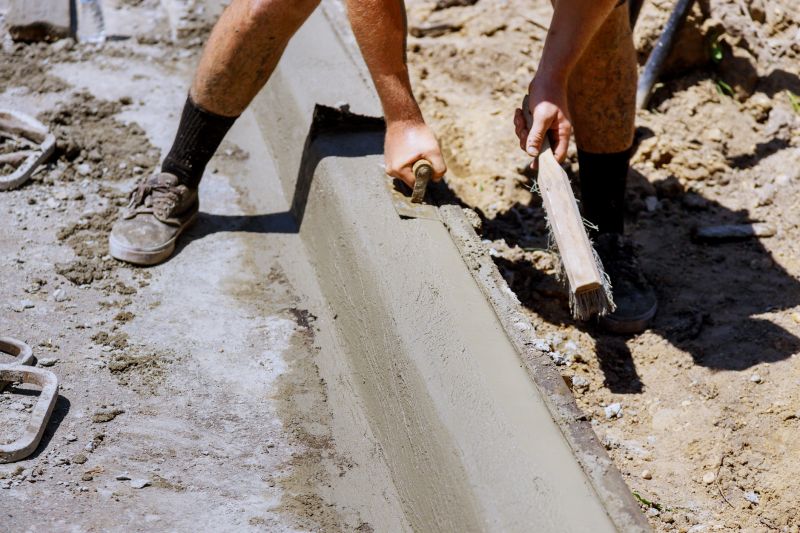
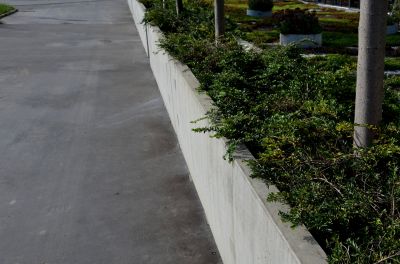
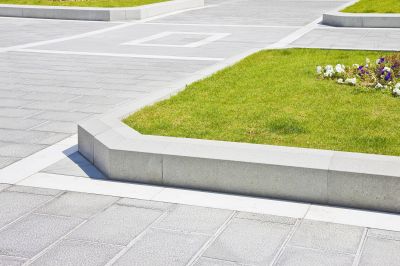
When people search for how concrete curbing helps define landscape borders, they are often looking for ways to create clear, attractive separations between different areas of their yard or garden. This topic typically comes up during planning or renovation projects where homeowners want to establish distinct zones for lawns, flower beds, walkways, or driveways. Many are interested in understanding how concrete curbing can serve as a durable and visually appealing boundary that enhances the overall design of their outdoor space. The focus is usually on achieving a neat, organized look that makes maintenance easier and prevents plants or mulch from spilling into other areas.
Concrete curbing is frequently associated with addressing common landscape problems such as erosion, soil displacement, or weed intrusion. It provides a physical barrier that keeps mulch, gravel, or soil contained within designated areas, reducing the need for constant upkeep. For property owners with uneven terrain, concrete borders can help create level, stable edges that prevent soil from washing away during rain. Additionally, those planning new landscaping projects often consider concrete curbing as a practical solution for defining garden beds, separating lawns from pathways, or framing decorative features. This approach not only improves aesthetics but also helps protect the integrity of the landscape over time.
Properties that typically feature concrete curbing include residential yards, commercial landscapes, and community parks. Homeowners with sizable lots often use concrete borders to create a polished, finished appearance around flower beds, trees, or lawns. Commercial properties, such as shopping centers or office complexes, may incorporate concrete curbing to delineate parking areas or walkways, contributing to safer and more organized outdoor environments. Larger properties or public spaces benefit from the durability and low maintenance of concrete borders, which can withstand foot traffic and weather conditions without deteriorating. Service providers who specialize in concrete curbing can assess these property types and recommend the best styles and installation methods to meet specific landscaping goals.
Overall, understanding how concrete curbing helps define landscape borders can make a significant difference in planning and executing a successful outdoor project. Local contractors experienced in concrete curbing offer valuable expertise in designing and installing borders that align with the property’s layout and aesthetic preferences. They can help homeowners visualize how different styles and configurations will enhance the overall landscape, ensuring that the borders serve both functional and decorative purposes. Connecting with these service providers allows property owners to access professional guidance and quality workmanship, leading to a well-defined, attractive outdoor space that meets their needs.
Retaining wall construction - building retaining walls involves precise planning and skill with concrete, similar to creating defined landscape borders with concrete curbing.
Garden edging installation - installing garden edges requires careful planning and the use of similar tools to establish clear, durable boundaries in landscaping projects.
Driveway apron and border work - shaping and installing concrete borders for driveways shares techniques with concrete curbing to enhance property delineation.
Pathway and walkway creation - constructing pathways involves concrete work that aligns with the skills used in defining landscape borders through curbing.
Landscape grading and leveling - preparing the terrain for planting or paving often complements the installation of concrete borders to create clean, defined edges.
Paver and stone edging projects - working with pavers and stones to outline garden beds or lawns parallels the planning and execution involved in concrete curbing services.
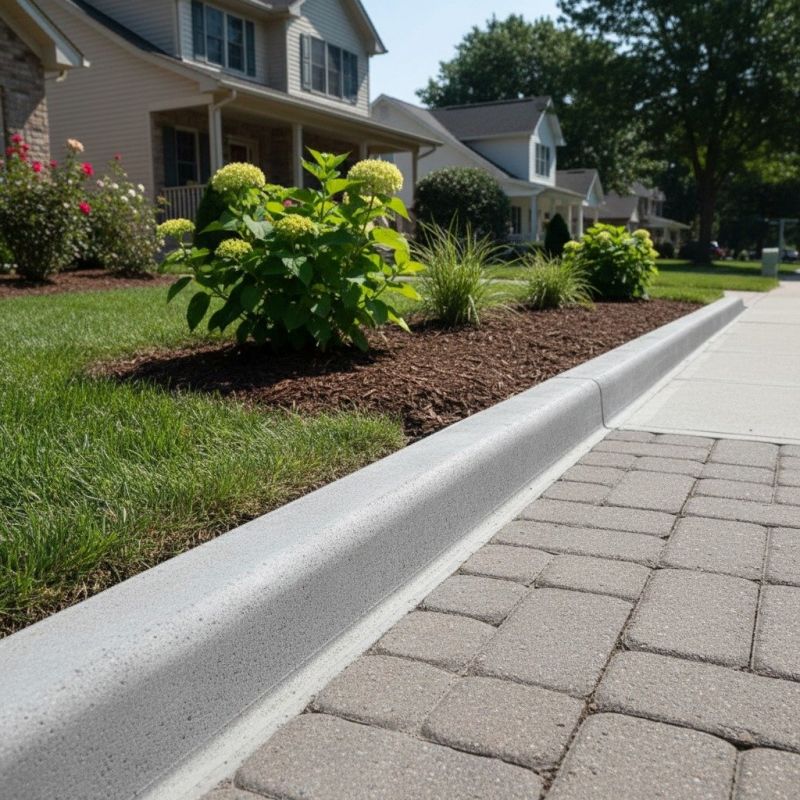
When evaluating concrete curbing services, it’s important to consider the experience of local contractors with similar landscape projects. Homeowners should inquire about the types of curb installations the service providers have completed in the past and whether they have a history of creating durable, visually appealing borders that enhance landscape design. An experienced contractor will understand how concrete curbing can effectively define landscape borders, helping to separate different yard elements such as flower beds, lawns, and walkways, which contributes to a polished and organized outdoor space.
Clear written expectations are essential when comparing local pros for concrete curbing. Homeowners should seek detailed proposals that outline the scope of work, materials to be used, and the estimated process for completing the project. Having this information in writing helps ensure that everyone is aligned on the project’s goals and reduces the potential for misunderstandings. It also provides a basis for evaluating whether the contractor’s approach aligns with the homeowner’s vision for defining landscape borders and achieving a cohesive outdoor appearance.
Reputable references and good communication are key factors in selecting a reliable service provider. Homeowners can ask for references from previous clients who had similar concrete curbing projects and inquire about their satisfaction with the work and the contractor’s professionalism. Additionally, effective communication throughout the process-such as prompt responses to questions and clarity in explaining options-can make the project smoother and more predictable. Choosing a local contractor who demonstrates transparency and responsiveness can help ensure that the concrete curbing installation meets expectations and effectively enhances the landscape’s overall structure and appeal.
Property owners often search for how concrete curbing helps define landscape borders when they are planning practical projects around their homes and businesses. Local pros provide Concrete Curbing services for everyday jobs and straightforward project options.
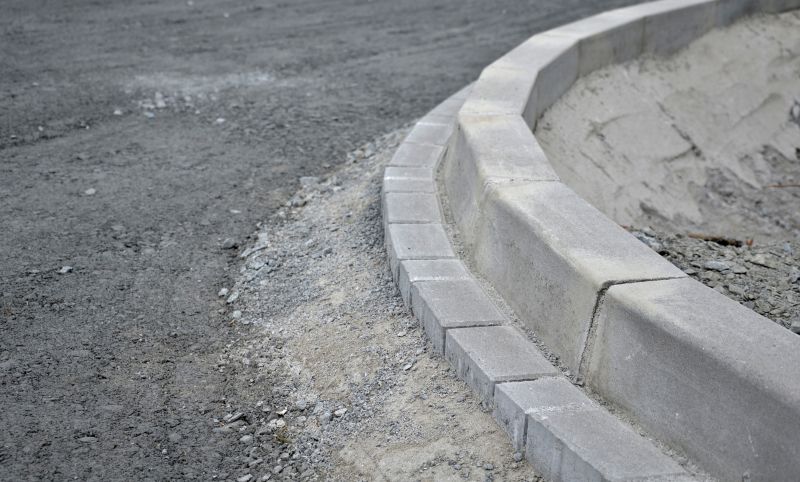
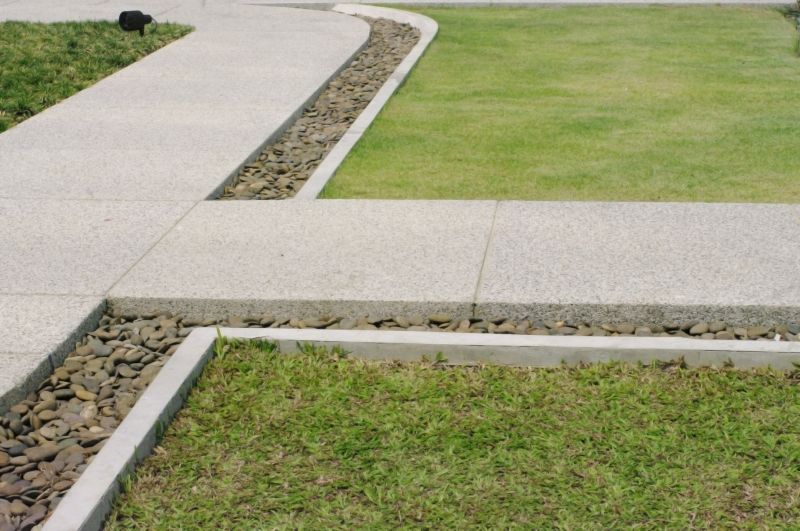
Concrete curbing is a practical way for property owners to clearly define landscape borders around gardens, lawns, and walkways. It offers a clean, polished look that helps separate different areas of a yard, making the overall landscape appear more organized and visually appealing. Homeowners often seek out local contractors to install concrete curbing because it provides a durable edge that can withstand weather and foot traffic, reducing the chances of soil erosion and unwanted plant spread.
For those looking to enhance their outdoor space, concrete curbing services from local contractors can be an effective solution. These professionals have the skills to create precise, long-lasting borders that complement the style of the property. Whether aiming to contain flower beds, create a barrier between grass and mulch, or add a decorative touch, property owners can rely on local service providers to deliver quality results that help define landscape borders with clarity and durability.
How does concrete curbing help define landscape borders? Concrete curbing creates a clear, durable edge that separates different areas of a landscape, helping to prevent soil erosion and maintain clean lines between lawns, flower beds, and walkways.
What are the benefits of using concrete curbing for landscape borders? Concrete curbing provides a long-lasting and low-maintenance solution that enhances curb appeal and helps keep landscape features in place, making it easier to manage different sections of a yard.
Can concrete curbing be customized to match my landscape design? Yes, local contractors can customize concrete curbing with various colors, textures, and shapes to complement specific landscape styles and personal preferences.
How does concrete curbing contribute to the overall appearance of a landscape? Concrete curbing adds a finished, professional look to a landscape by creating well-defined borders that enhance visual appeal and provide a neat, organized appearance.
Why should I consider hiring local service providers for concrete curbing? Local contractors have experience with regional soil and climate conditions, ensuring that the concrete curbing is properly installed to maximize its effectiveness in defining landscape borders.
Creating clear boundaries - Concrete curbing can be used to establish distinct edges between lawns, flower beds, and walkways for a tidy appearance.
Designing custom shapes - Property owners might incorporate decorative concrete curbing to enhance garden layouts and highlight specific landscape features.
Preventing soil erosion - Installing concrete borders helps contain soil and mulch, reducing the risk of erosion during heavy rain or watering.
Defining functional zones - Concrete curbing can separate areas like patios, play zones, or vegetable gardens for better organization and usability.
If you are thinking about how concrete curbing helps define landscape borders for a property, this guide is meant to help you understand this topic, the typical project types, and how different options might fit your plans.
When you are ready, you can use the quote form on this page to share a few details about your project. From there, local pros can review the basics and follow up with options that match what you have in mind.